Customer Support

+251-943-00-00-07

Email Us

info@Yegnatradingethiopia.com

Quantity of Rebar
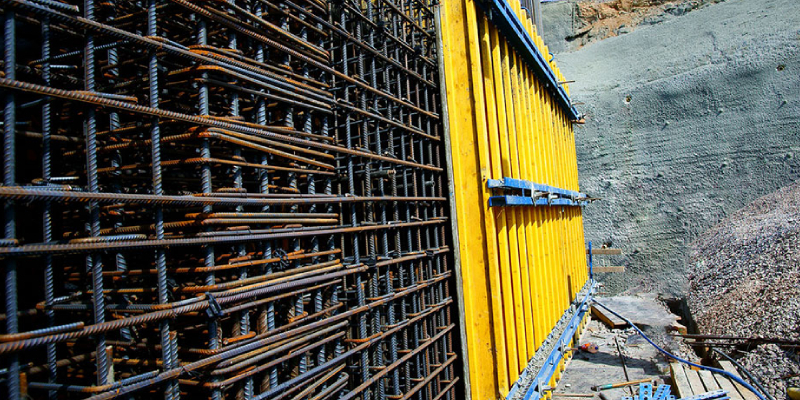
Quantity of rebar used in the construction of a block wall

We know that rebar provides strength in the concrete construction. The quantity of rebar used in the construction of a block wall is determined by various terms. Concrete has compressive strength, the capacity to resist the downward pressure, but it has little tensile strength, the capacity to resist bending. A concrete block  wall can support heavy weights above of it but it needs reinforcing against pressure which causes the concrete block to bend. Rebar provides the lateral support and resist bending.

Depending on the type of wall and forces applied on it, rebar can be placed in the walls both vertically and horizontally. Rebar is placed in poured concrete footing, or base of the concrete block wall. According to the type of wall and construction to be done, the spacing of rebar will differ. Horizontal rebar is laid in the joints with mortared block sometimes as support against lateral pressure. The horizontal spacing differs but often it is about every four course of block.

Rebar used in the Construction

The quantity of rebar used in the construction in any wall depends on the height, length and use of the wall. A block privacy fence or freestanding garden wall requires less reinforcing whereas a basement or load bearing wall in buildings and houses requires more reinforcing. The need of rebar also depends on height i.e more feet high wall require more rebar than fewer feet high wall. The walls which are very short, under 4 feet and laid with mortar may not require rebar.

For spacing of rebar in the house wall, one bar is placed at every corner, one bar is placed on each side of door or window and bars are kept 4 feet apart between those bars. A 20-foot-long wall having one door may probably require eight sections of rebar and it depends upon placement of the door.

Rebar has different lengths, sizes and styles and depending on the depth of footings, house walls is normally 10 to 12 feet long. Most of the houses wall use 1/2- or 5/8-inch rebar but shorter walls which are not load-bearing walls requires 3/8-inch.

We should always check local building codes and regulations before building the wall. Building Codes help you to specify how much rebar is needed for a particular application.  The quantity of rebar used in the construction provides strength to the wall.

For more details, please visit https://rebarpeople.com/rebar-used-in-the-construction-of-a-block-wall/
What is the difference between rebar and steel?

Both fiberglass rebar and steel are not quite the same as one another and have various properties and qualities. Below are the difference between rebar and steel:

Difference between Rebar and Steel

Structural steel is a vital source resource for the construction industry. Structural steel is one of the first choice for constructing buildings by architects, engineers, designers and contractors. Structural steel is more affordable than other metals. It also require low maintenance and also they tend to have a long lifespan. It offers innumerable benefits when compared to any other building material.

The advantages of steel are as follow:

  • Durability
  • Environment friendly
  • Affordability
  • Constructability
  • Lightweight
  • Rapid, waste-free assembly

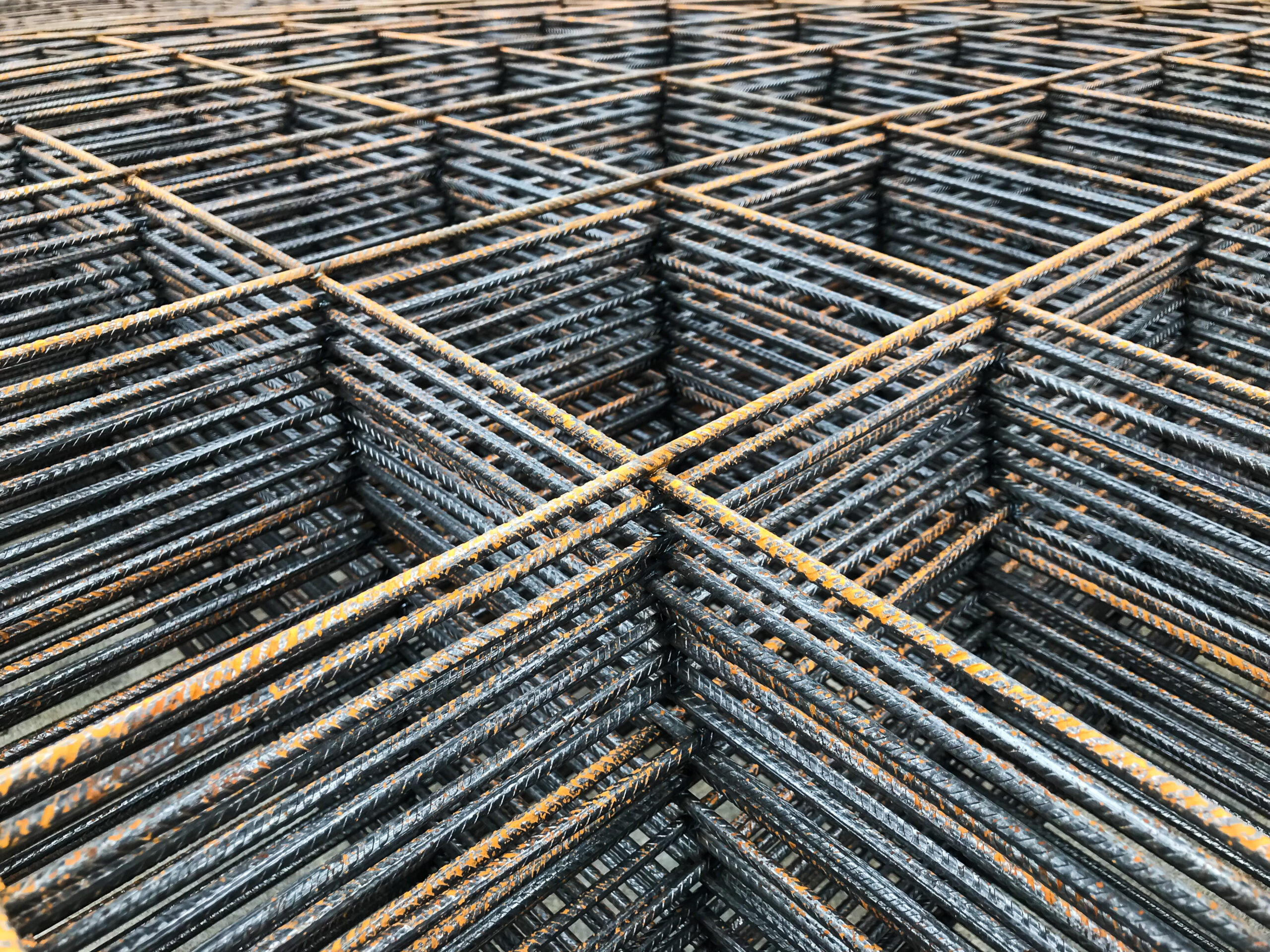
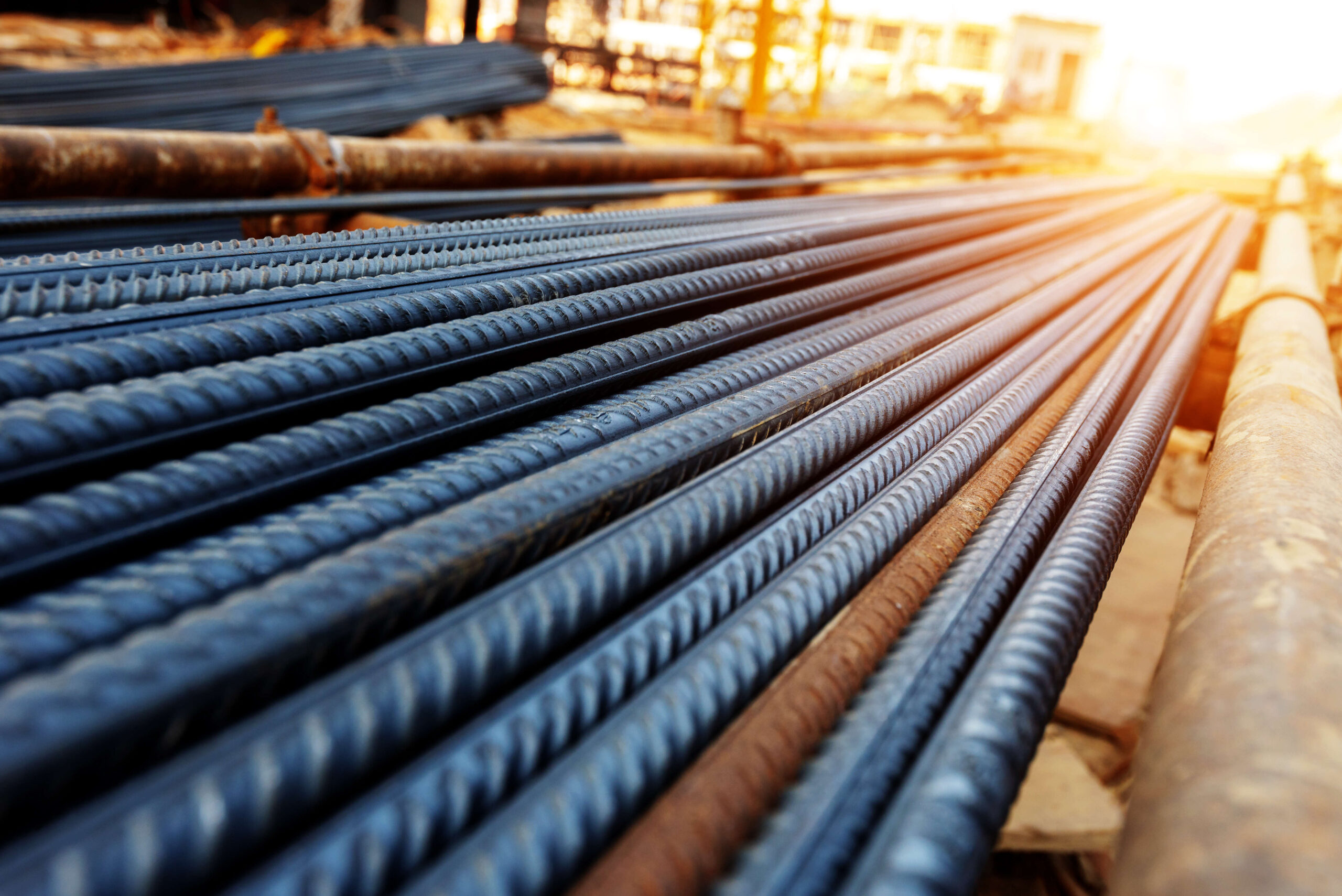
Reinforcing bar is a regular steel bar that is hot rolled and is used as a part of the construction business, particularly for concrete support. Steel reinforced-bar is most regularly utilized as a tensioning devise to fortify concrete and other workmanship structures to hold the concrete in a compacted state. Rebar is the short form of reinforcing bar. It is also known as reinforcing steel or reinforcement steel.

Rebar significantly increases the tensile strength of the structure. Rebar’s surface is often deformed to promote a better bond with the concrete. There are different types of rebar. They are European rebar, Carbon steel rebar, Epoxy-Coated Rebar, Galvanized Rebar, Glass-Fiber-Reinforced-Polymer (GFRP) and Stainless Steel Rebar.Rebar is helpful and budget friendly choice with regards to reusing and reinforcing building materials.

Steel has for quite some time been a principal player in the development business. Yet, with ongoing advancements, fiberglass fortified rebar is picking up ubiquity with temporary workers all through the world. The decent variety in its applications in addition to the expanded expense of steel has settled on it a go-to decision for temporary workers and experts around the world. Particularly in scaffolds, streets, and structures where water is reliably present.

The cutting edge foundation network is never again dependent on just metals like steel, aluminum, and iron. From its first commencement, glass fortified fiber has made considerable progress. The reasons underneath are incredible pointers with respect to how GFRP rebar can for all time oblige the development business and offer brilliant advantages. The main difference between rebar and steel is quenching process or thermo mechanical treatment or reinforcement.

By the quenching steel convert into the rebar rest all chemical composition are same only some mechanical properties has been developed. These are the difference between rebar and steel.

For more details, please visit https://rebarpeople.com/what-is-the-difference-between-rebar-and-steel/

What makes up rebar?

What makes up rebar? Rebar is a steel bar or mesh of steel wires used in reinforced concrete, and reinforced masonry structures which helps to strengthen the concrete under tension. Rebar are placed inside the concrete and brick to help them maintain their shape. These helps to maintain safe and durable structures which will be good in quality for years. Rebar allows stronger bond and tensile strength and without them the natural expansion and contraction of the concrete will make weak areas to develop which will collapse in the long run. Concrete has a load-bearing capacity, but it lacks tensile strength, and the purpose of rebar is to provide tensile strength and correct the imbalance.

What makes up rebar

These are the steps for producing rebar:

  1. Steel is melted down to liquid form on extreme amount of heat and then to give the rebar its shape, the liquid steel is pulled through small round openings.
  2. The developers choose to purchase higher-grade material for safety which prevent the concrete form from cracking.
  3. After the steel has its shape, the manufacturer will make the twists, and grooves on the metal to check if it will stay firmly in place inside the structure.
  4. The ends of reinforced metal bars are covered with plastic caps to prevent harm to construction workers as they are dangerous while installing.
  5. Now rebar is distributed from manufacturer to the job site and then the product is bent to the proper specs with the help of specialty hydraulic benders and cutters. There are only a few type of rebar that can be welded and that is the reason many construction companies use wire and coupling splices to join the ends together.

For more details, please visit https://rebarpeople.com/what-makes-up-rebar/