Customer Support

+251-943-00-00-07

Email Us

info@Yegnatradingethiopia.com

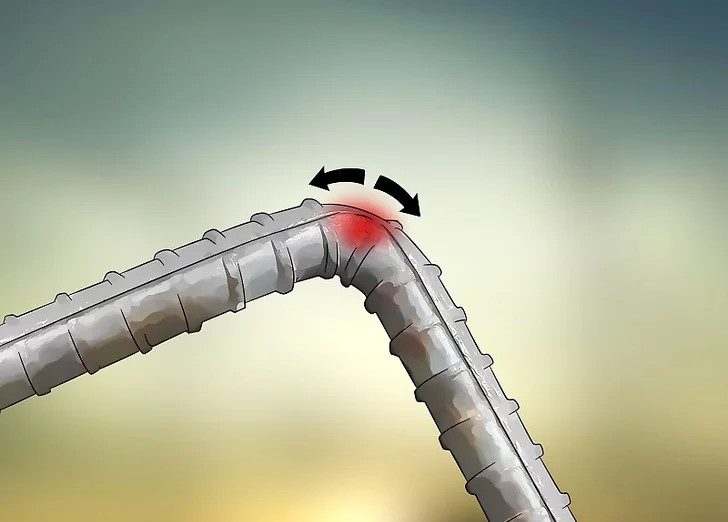
Why does rebar break and not bend?

Why does rebar break and not bend? Rebar is the short form of reinforcing bar. It is also known as reinforcing steel or reinforcement steel. Rebar significantly increases the strength of the structure. Rebar’s surface is often deformed to promote a better bond with the concrete. There are different types of rebar.

On the off chance that Rebar is breaking when you bend it, It seems that you presumably have a second rate steel combination, with a wide range of different metals in there to make it less expensive. Or then again maybe you’re attempting to twist it without a previous to give it the base range it needs? Other than that, everything I can consider is that a high elastic steel may wind up weak because of work solidifying when it was first fixed and afterward bowed once more. High elastic steel (500MPa) is impressively less malleable than typical low carbon steels (275MPa). The high carbon substance makes it progressively helpless to solidifying and brittle failure.

How to bend rebar?
Construction experts refer rebar as pieces of steel that will often constitute part of the inner structure for a piece of concrete. Rebar also has other various uses. Normally, it is a long piece of steel in a stick or rod shape. If you need to bend rebar for any reason, consider the advice of experienced contractors or other experts before attempting this somewhat risky process.

Professionally bending rebar

At first understand the basic issues possible with manually-bent rebar and skill to maintain or avoid them. When you bend metal, you normally debilitate or weaken it. At the point when done effectively,you can minimize damage and still get the shape as your requirement. rebar break and not bend

  • Continuously note the evaluation and size of the bar you’re bending, checking against the gear you’re utilizing to guarantee it works.
  • Check with your task designer to guarantee your curves meet the insignificant inside twist measurement. On the off chance that you don’t have a clue what this is for your task, hold up until you do.
  • Never re-twist rebar. When you’ve bowed it, it’s done. Persistently working it will fundamentally bring down its strength.

For more details, please visit https://rebarpeople.com/why-does-rebar-break-and-not-bend/
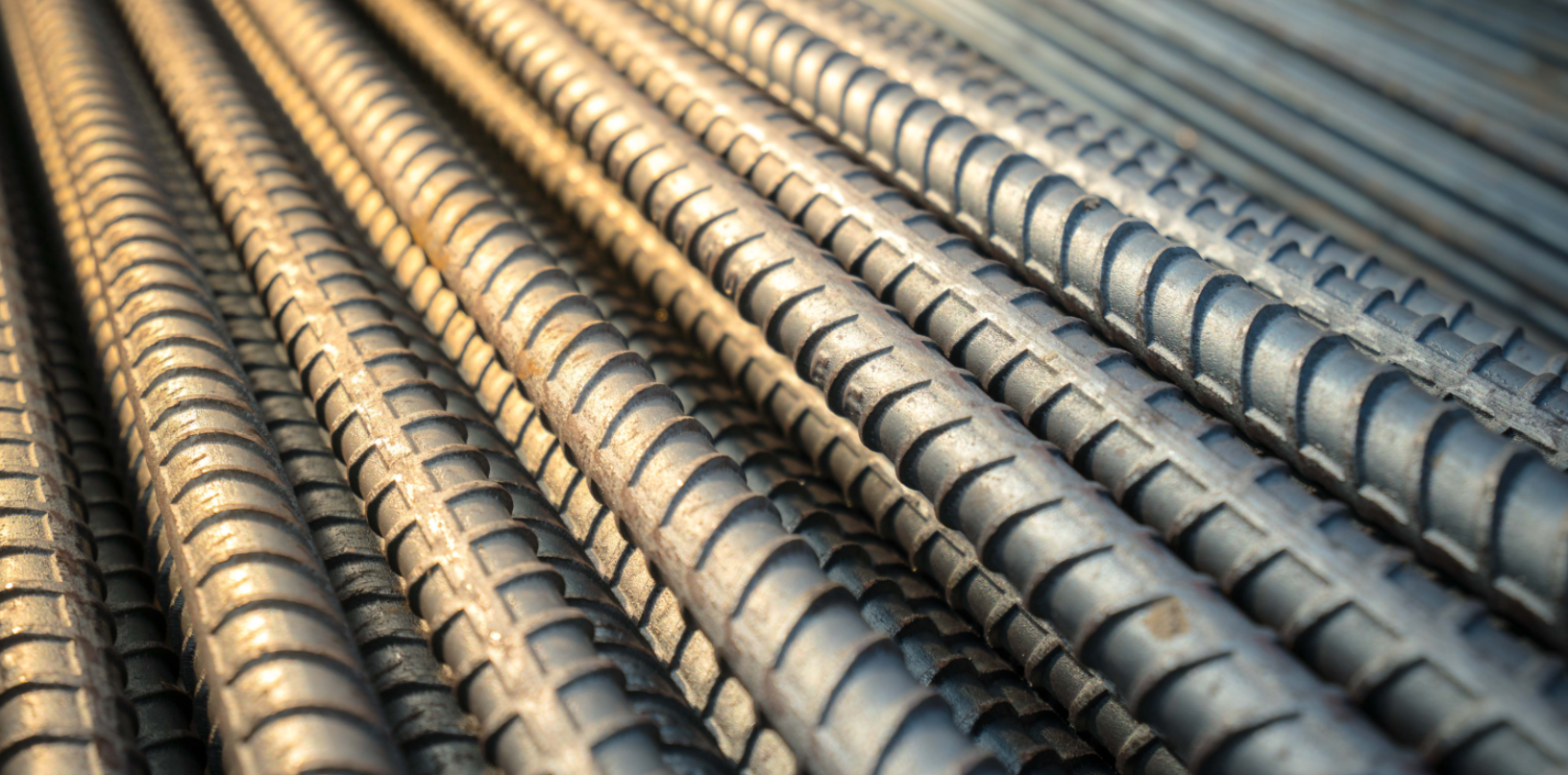
How does rebar strengthen concrete?

It’s enticing to consider “strength” a straightforward variable and that different materials all fall some place on a range of solid to powerless. The truth, obviously, is considerably more mind boggling. Various materials are solid in explicit circumstances, however powerless in others. For really robust material, you need to begin blending and coordinating. Reinforced concrete is an ideal model. It is always said that rebar strengthen concrete.

Concrete is extraordinary at putting up with stress in the form of compression. It’s terrible at handling tensile stress though, and is not suited to fight against forces that would threaten to pull it apart.

Rebar Strengthen Concrete

Rebars don’t reinforce concrete! Concrete is plan for a particular inner quality, let us state 5,000 pound for every square inch. That won’t be changed by including reinforcing bars. As yet strengthening will withstand the interior Compression at the top and Tension at the base, and enable the WHOLE BEAM to carry the loads. Sections work fundamentally in Compression supporting gravity loads.

Steel quality today is normally 50,000 pounds for each square inch, so the joined qualities of Concrete and Steel today convey loads that Concrete alone can’t support. Romans didn’t utilize steel strengthening, however presented mud tiles or blocks in their arches and vaults to guide the mixing or flexural worries to the horizontal vertical masses where the heaps could then be upheld in pressure.

Rebar reinforces concrete by including the component of pressure opposing powers to the general structure. You may know that solid’s quality lies in the compressive powers it can take. Including rebar gives it more strength but it didn’t make concrete itself stronger. Rebar strengthen concrete as the mixture of both rebar and concrete provide more strength.

Put just, all alone, concrete has great compressive quality, however lousy rigidity. By adding reinforcement bars to the formula, we gain the advantage of the great rigidity of the steel support.

For more details, please visit https://rebarpeople.com/how-does-rebar-strengthen-concrete/

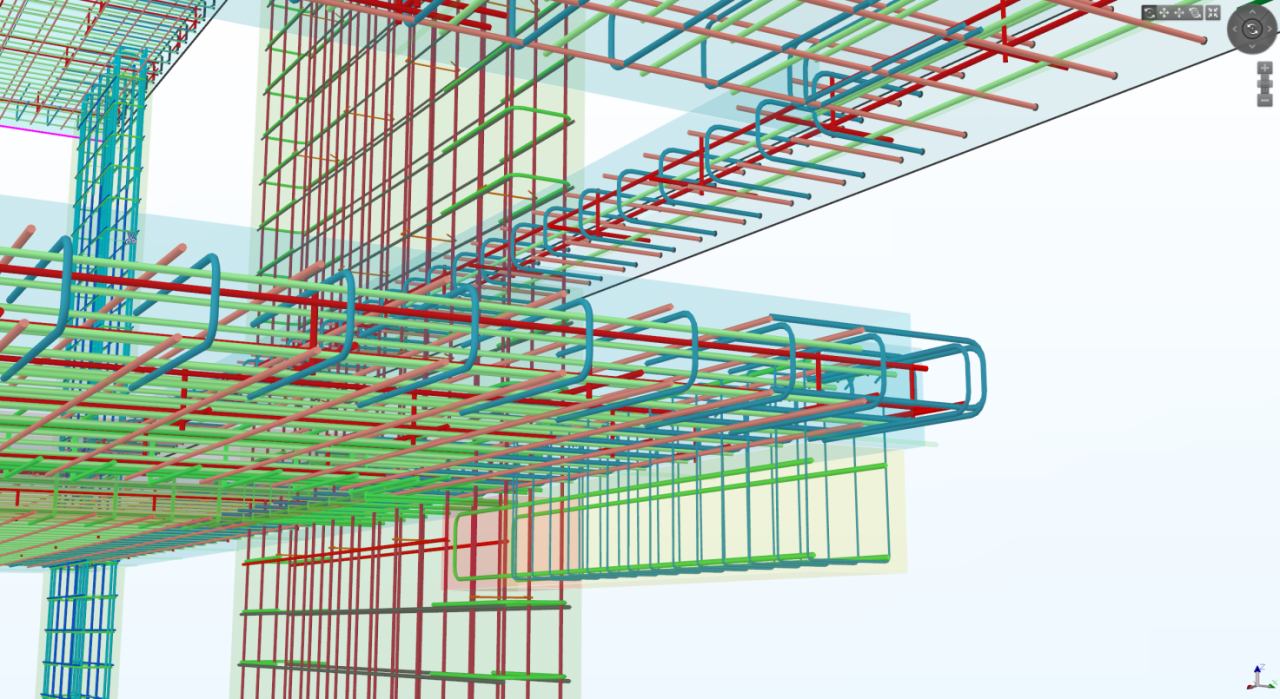
Rebar Detailing
What is the purpose of doing rebar detailing?

The purpose of doing rebar detailing is for better anchoring in concrete structure. As rebar detailing is the most well-regarded building construction process and is used in a variety of residential, commercial and industrial structures, one should maximize its utilities and applications to get the best possible outputs in construction. Rebar detailers are experts in rebar detailing process and know the most productive use of rebar detailing.

Rebar detailing is referred as common steel bar detailing mainly used in reinforced concrete structures. At the present time, all countries are seeking stable infrastructures to resist against such natural disasters. To satisfy this purpose all the steel members used in concrete are must be placed with maximum accuracy and this can be achieved by rebar detailing.

Rebar detailing is one of the most important techniques in business and private development Industry at current situation. We realize that in quickly developing of steel development industry, it is essential for any manufacturer, builder, engineer to know the significance of rebar detailing. With such a significant number of points of interest and applications, rebar detailing is maybe the most subject choice to use for development business. Consulting or hiring the rebar detailers would make your structural construction more easier.

Rebar Detailers assist the rebar detailing services such as:

  • Welded, Riveted or Bolted Steel connection details
  • Roof Truss and Joint details
  • Concrete Joint and Slab details
  • Longitudinal and Cross Sections of Beams and Columns
  • Foundations details
  • Retaining Walls
Purpose of doing Rebar Detailing

The main objective or purpose of doing Rebar detailing are as follows:

  • Preparing an error-free bar bending schedule and at the time of fabrication, it should fit in the concrete formwork without any issue. The same Bar Bending Schedule will be used for accounting and invoicing.
  • Preparing a detailed Rebar placing drawing (Erroneously called as Rebar Shop drawings). This Rebar placing drawing provides the guidance in such a way that the Rebar can be placed correctly in the site without any issues.
  • To let the structural engineer, verify and approve if the structural design intent is properly converted into the Rebar Placing drawings and Bar bending schedules.
  • Reduce unwanted cost by analyzing rebar wastage analytics and reduce potential scrap existing in the Drawing level.

For more details, please visit https://rebarpeople.com/what-is-the-purpose-of-doing-rebar-detailing/

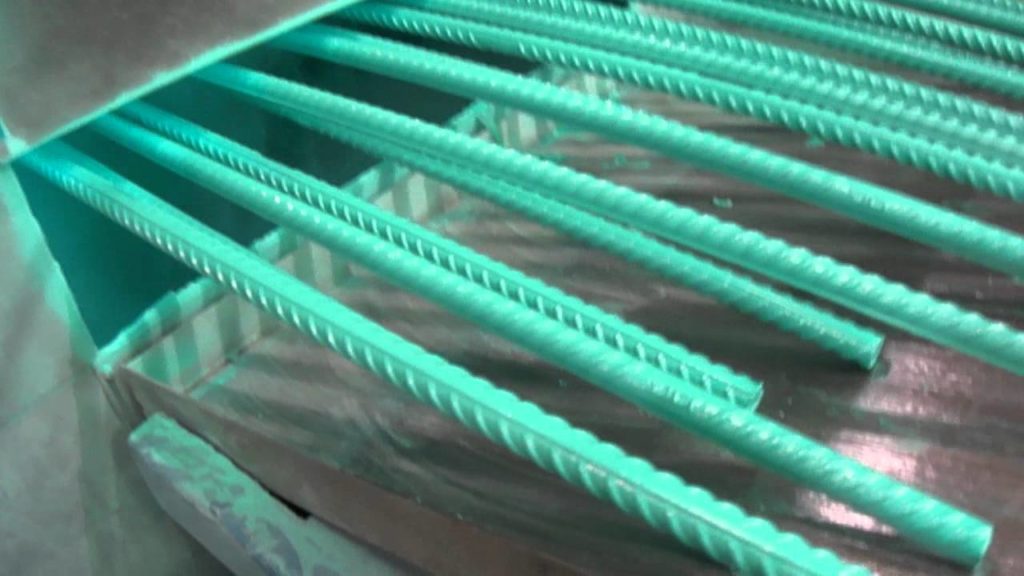
Why don’t people paint the rebar in concrete construction?

There is the cases where, people are not allowed to paint the rebar, and actually, slight scale or rust may improve the bond between the cement paste and the steel rebar.

Reasons People don’t Paint the Rebar

Paint, however, if not reinforced firmly to the rebar, and particularly glossy paint would break the cement paste to steel bond. There are instances when corrosion resistance is exceptionally important, take for example chemical storage tanks or wastewater treatment tanks. We use epoxy coated rebar for these applications, and in salt environments, galvanized rebar may be specified. Rebar that has setting from rust, or a huge covering of free rust must be cleaned or supplanted before cement is poured, however once the solid fixes, the rebar implanted in it isn’t presented to oxygen, and very little corrosion takes place.The exceptions (and there are always exceptions) is if chlorine ion accelerators are added to the concrete mix, or if the concrete isn’t vibrated thoroughly to consolidate the mud around the reinforcing.
Also, rebar protruding from the concrete can rust, and the rust can travel into the beam, column, or slab and cause spalling to occur. This is the reason people don’t paint the rebar in concrete construction.

Regularly rebar put nearby are utilized rapidly in concrete development. At the point when the rebar is shrouded in cement there is no oxygen accessible for rusting process along these lines shielding the rebars from erosion and rusting securing Steel rebars. Then again Steel rebars can be painted on the off chance that they are presented to climate for long haul with no appropriate insurance against the climate.

For more details, please visit https://rebarpeople.com/paint-the-rebar-in-concrete-construction/