Customer Support

+251-943-00-00-07

Email Us

info@Yegnatradingethiopia.com

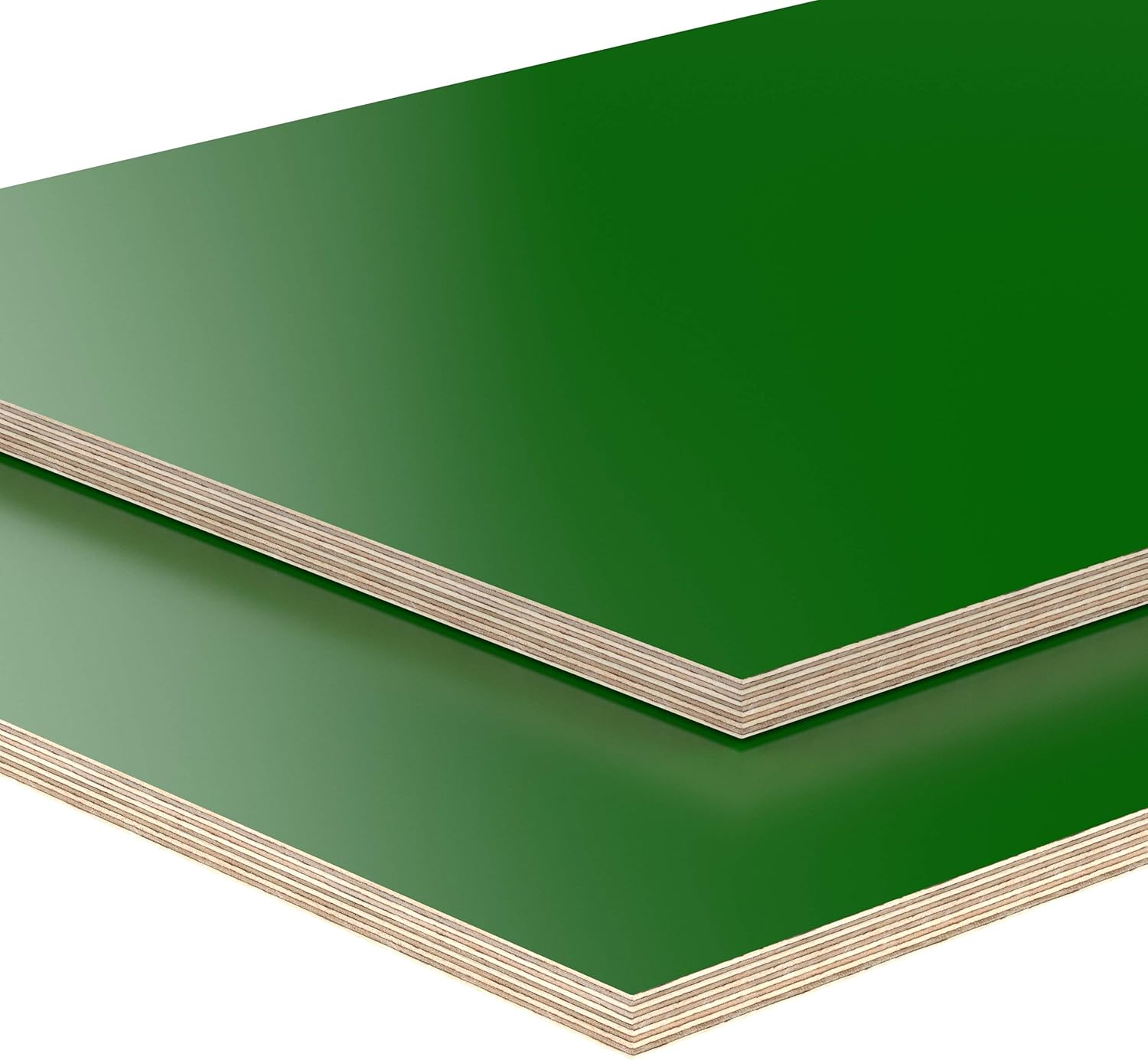
Benefits of Using Green Plywood in Construction and Furniture Making

Introduction

Sustainability is no longer just a trend—it’s a necessity. The construction and furniture industries are increasingly shifting towards eco-friendly materials, and green plywood is at the forefront of this change. As an environmentally responsible alternative to traditional plywood, green plywood offers numerous benefits for both construction and furniture-making projects. This blog explores the key advantages of green plywood, its applications, and why it’s a preferred choice for modern, sustainable practices.


What is Green Plywood?

Green plywood refers to a type of engineered wood made using environmentally friendly processes and materials. Unlike conventional plywood, it minimizes environmental impact by employing:

  • Sustainable wood sources.
  • Low-emission adhesives.
  • Non-toxic chemicals.

Certified under standards like FSC (Forest Stewardship Council) or GreenGuard, green plywood ensures both quality and environmental safety.


1. Environmental Benefits of Green Plywood

a. Sustainable Sourcing

Green plywood is manufactured using timber from responsibly managed forests. Sustainable forestry practices ensure that trees are replanted and biodiversity is preserved, mitigating deforestation.

b. Low Carbon Footprint

The production process of green plywood emits fewer greenhouse gases compared to traditional plywood manufacturing, contributing to a lower carbon footprint.

c. Reduced Formaldehyde Emissions

Traditional plywood often uses urea-formaldehyde adhesives, which releases harmful VOCs (volatile organic compounds). Green plywood employs low-emission or formaldehyde-free adhesives, improving indoor air quality and reducing health risks.


2. Benefits for Construction

a. Enhanced Durability

Green plywood is treated to resist moisture, termites, and fungi, making it an ideal choice for both interior and exterior construction. Its durability reduces maintenance and replacement costs over time.

b. High Structural Integrity

With superior bonding and uniform strength, green plywood performs exceptionally well in load-bearing applications like:

  • Roofing.
  • Flooring.
  • Wall paneling.

c. Lightweight yet Sturdy

Green plywood strikes a balance between strength and weight, making it easier to handle and install. This property is particularly beneficial for modular construction and prefab housing.

d. Compliance with Green Building Standards

Many construction projects now aim for certifications like LEED (Leadership in Energy and Environmental Design). Using green plywood helps to achieve these certifications due to its sustainable credentials.


3. Benefits for Furniture Making

a. Aesthetic Appeal

Green plywood offers smooth and consistent surfaces, making it ideal for veneers, laminates, and paints. Its uniformity enhances the appearance of furniture pieces like tables, wardrobes, and cabinets.

b. Resistance to Warping

Thanks to its moisture-resistant properties, green plywood is less prone to warping or cracking, ensuring the longevity of furniture in varying climates.

c. Safe for Indoor Use

The low VOC emissions make green plywood a healthier choice for indoor furniture, especially in homes with children or elderly residents.

d. Versatility

Green plywood can be easily cut, shaped, and joined, making it suitable for both intricate designs and large-scale furniture production.


4. Cost-Effectiveness of Green Plywood

While green plywood might have a slightly higher upfront cost, its long-term benefits outweigh the initial expense:

  • Reduced maintenance and repair costs.
  • Longer lifespan compared to conventional plywood.
  • Enhanced property value in green-certified constructions.

Additionally, using green plywood may qualify businesses for tax incentives or grants aimed at promoting sustainable practices.


5. Health Benefits of Green Plywood

a. Improved Air Quality

Traditional plywood can release harmful chemicals into the air, leading to respiratory issues. Green plywood eliminates this risk with non-toxic adhesives, ensuring safer indoor environments.

b. Hypoallergenic Properties

By reducing exposure to VOCs and allergens, green plywood creates a healthier living or working space, particularly for those with asthma or allergies.


6. Applications of Green Plywood

a. Residential Construction

Green plywood is extensively used in homes for:

  • Kitchen cabinets.
  • Bathroom vanities.
  • Bedroom wardrobes.

b. Commercial Spaces

Its eco-friendly credentials makes it a popular choice for sustainable office furniture, retail fixtures, and hotel interiors.

c. Outdoor Projects

With its moisture and termite resistance, green plywood is suitable for pergolas, garden furniture, and exterior cladding.

d. Specialized Applications

  • Acoustic panels in studios or theaters.
  • Fire-retardant versions for high-safety areas.

7. How to Identify Genuine Green Plywood

a. Certifications

Look for certifications like FSC, GreenGuard, or CARB (California Air Resources Board) compliance, which ensure authenticity and sustainability.

b. Material Composition

Check the type of adhesive and treatments used to verify low formaldehyde content and eco-friendly processing.

c. Brand Reputation

Buy from trusted brands that are transparent about their manufacturing processes and sourcing practices.


8. The Future of Green Plywood

The demand for green plywood is expected to grow as sustainability takes center stage in construction and design. Innovations in manufacturing processes will likely make it more accessible and affordable, encouraging widespread adoption.


Conclusion

Green plywood is not just a sustainable material—it’s a practical and efficient choice for construction and furniture-making. From environmental benefits to superior performance and safety, it offers unparalleled advantages over traditional options.

For more details, please visit https://wigwamply.com/benefits-of-using-green-plywood-in-construction-and-furniture-making/
Why is rebar used in concrete?

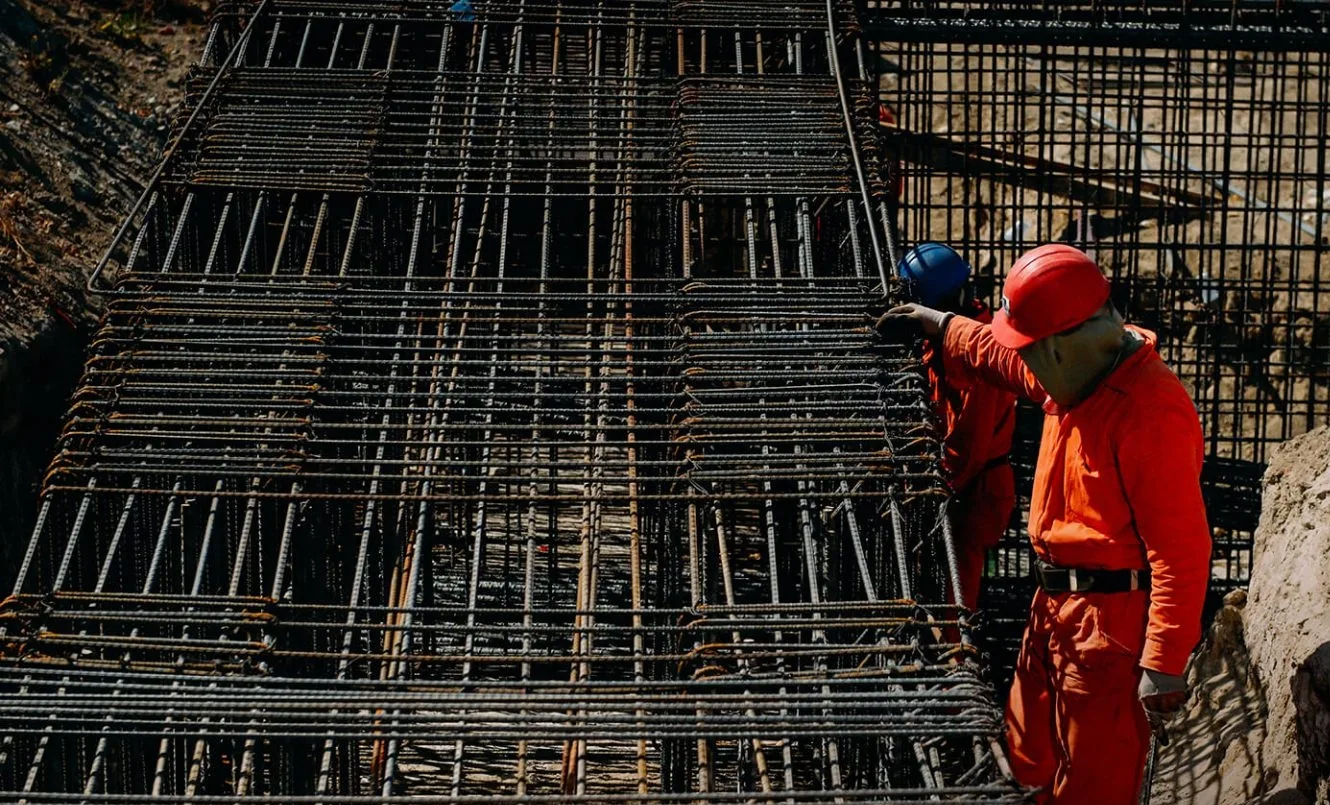
Rebar, short for reinforcing bar, is an essential component in reinforced concrete structures. It provides additional strength to the concrete by helping to resist tensile forces, which concrete is relatively weak at handling on its own. Let’s break down some key points about rebar used in concrete.

This reinforcing steel material is widely used to increase the durability of any type of concrete structure. Steel reinforcement prevents structural problems, with variations in coatings and processes, such as galvanized rebar to protect from corrosion. Steel bar reinforcing is essential to prevent long term issues.

Types of Rebar surfaces

  • Deformed Rebar: This type of rebar has surface deformations to improve the bond between the steel and the concrete. The deformations may be in the form of ribs or patterns to enhance the mechanical anchoring of the bar in the concrete.
  • Smooth or Mild Steel Rebar: This type has a smooth surface and is less commonly used in modern construction. Deformed rebar is preferred in most applications because of its superior bonding characteristics.

Rebar characteristics

  1. Material: While traditional carbon steel rebar is susceptible to corrosion in certain environments, stainless steel rebar offers enhanced corrosion resistance, making it suitable for structures exposed to harsh conditions or corrosive elements.
  2. Grade: Rebar comes in different grades, such as Grade 40, Grade 60, and so on. The grade indicates the minimum yield strength of the steel. For example, Grade 60 rebar has a yield strength of 60,000 pounds per square inch (psi). The appropriate grade is selected based on the structural requirements of the project.
  3. Size: Rebar comes in various diameters, typically ranging from #3 to #18. The “#” symbol is used to denote the rebar size. For example, #4 rebar has a diameter of 4/8 inch or 1/2 inch.
  4. Placement in concrete: Rebar is placed in a specific pattern within the formwork before concrete is poured. The arrangement and spacing of the rebar depend on the structural requirements and the design specifications.
  5. Concrete cover: To protect the rebar from corrosion, it is essential to provide adequate concrete cover. The cover is the distance between the outer surface of the rebar and the outer surface of the concrete. This helps prevent exposure to environmental elements and provides durability.

How does rebar reinforce concrete?

Rebar provides several benefits when used in concrete construction. Here are some of the key advantages:

  1. Increased strength and durability: The primary purpose of rebar is to enhance the tensile strength of concrete. While concrete is strong in compression, it is relatively weak in tension. By adding rebar, which has high tensile strength, the composite material becomes better equipped to handle both compression and tension forces, resulting in a stronger and more durable structure.
  2. Improved structural integrity: Rebar helps prevent cracks and fractures in concrete, improving the overall structural integrity of a construction project. This is particularly important in large structures or those subjected to heavy loads.
  3. Prevention of cracking: Concrete tends to crack over time due to factors such as shrinkage, temperature changes, and drying. Rebar helps control and minimize cracking by distributing the load more evenly throughout the structure.
  4. Enhanced load-bearing capacity: The addition of rebar allows concrete structures to bear heavier loads and resist deformation. This is crucial in applications such as building foundations, bridges, and other infrastructure projects.
  5. Improved ductility: Rebar increases the ductility of concrete, allowing it to better absorb and distribute energy during events like earthquakes, which is particularly important in seismic regions.
  6. Corrosion resistance: In the case of stainless steel rebar, corrosion resistance is significantly improved. This is particularly advantageous in environments with high moisture content or exposure to corrosive elements, such as coastal areas or chemical plants.
  7. Longevity and reduced maintenance: Structures reinforced with rebar are often more durable and require less maintenance over time. By preventing or minimizing cracks and damage, rebar contributes to the longevity of the structure, reducing the need for repairs.
  8. Compliance with building codes: Many building codes and standards require the use of reinforcing materials like rebar in certain types of construction. Using rebar helps ensure that structures meet or exceed safety and regulatory requirements.
  9. Flexibility in design: Rebar provides designers with greater flexibility in creating complex and innovative structures. It allows for the construction of structures with varying shapes and sizes while maintaining structural stability.
  10. Environmental benefits: By increasing the lifespan of structures and reducing the need for repairs, rebar contributes to sustainable construction practices, minimizing the environmental impact associated with frequent maintenance and reconstruction

For more details, please visit https://mcswusa.com/why-is-rebar-used-in-concrete/

Types of Rebar
Different Types of rebar

Rebar is abbreviation for reinforcing rebar. It is also referred to as reinforcing steel or reinforcing steel. Rebar significantly increases the tensile strength of the structure. The surface of rebar is often deformed to promote better bonding with the concrete. There are different types of reinforcing bars. They are European rebar, Carbon steel rebar, Epoxy-Coated Rebar, Galvanized Rebar, Glass-Fiber-Reinforced-Polymer (GFRP) and Stainless Steel Rebar.

Types of Rebar

Carbon Steel Rebar

The most common rebar, “black” rebar, is used on every type and scale of project with few exceptions. The biggest weakness of the black bar is that it is easily damaged or deteriorated. It spreads cracking and breaking the concrete around it. However, this black rebar is readily available.

Epoxy-Coated Rebar

Epoxy coated rebar is black rebar with an epoxy coating. Epoxy coating is incredibly delicate. Epoxy coating is factory applied to steel prior to shipment to ensure corrosion resistance.

Galvanized Rebar

Galvanized rebar coating is more difficult to damage as it is forty times more resistant to corrosion than black rebar. Therefore, it has more value than epoxy coated rebar. It is also more expensive than epoxy coated rebar.

Glass-Fiber-Reinforced-Polymer (GFRP)

GFRP is a composite very similar to carbon fiber. As a result, field curves are not allowed when using GFRP. It won’t corrode though, period. In that sense, GFRP is an unprecedented concrete rebar. Although it costs ten times as much as epoxy coated rebar per pound, it is extremely lightweight so the cost is only twice as much when you consider talking linear feet.

Stainless Steel Rebar

The most expensive rebar is stainless steel rebar. It is about eight times the price of epoxy coated rebar. It’s also the best rebar available for most projects. It is known as the mighty one that is more resistant to damage than any of the other types or corrosion resistant or corrosion proof rebar and is field bendable.

For more detail, please visit https://us-rebarestimate.com/types-of-rebar/

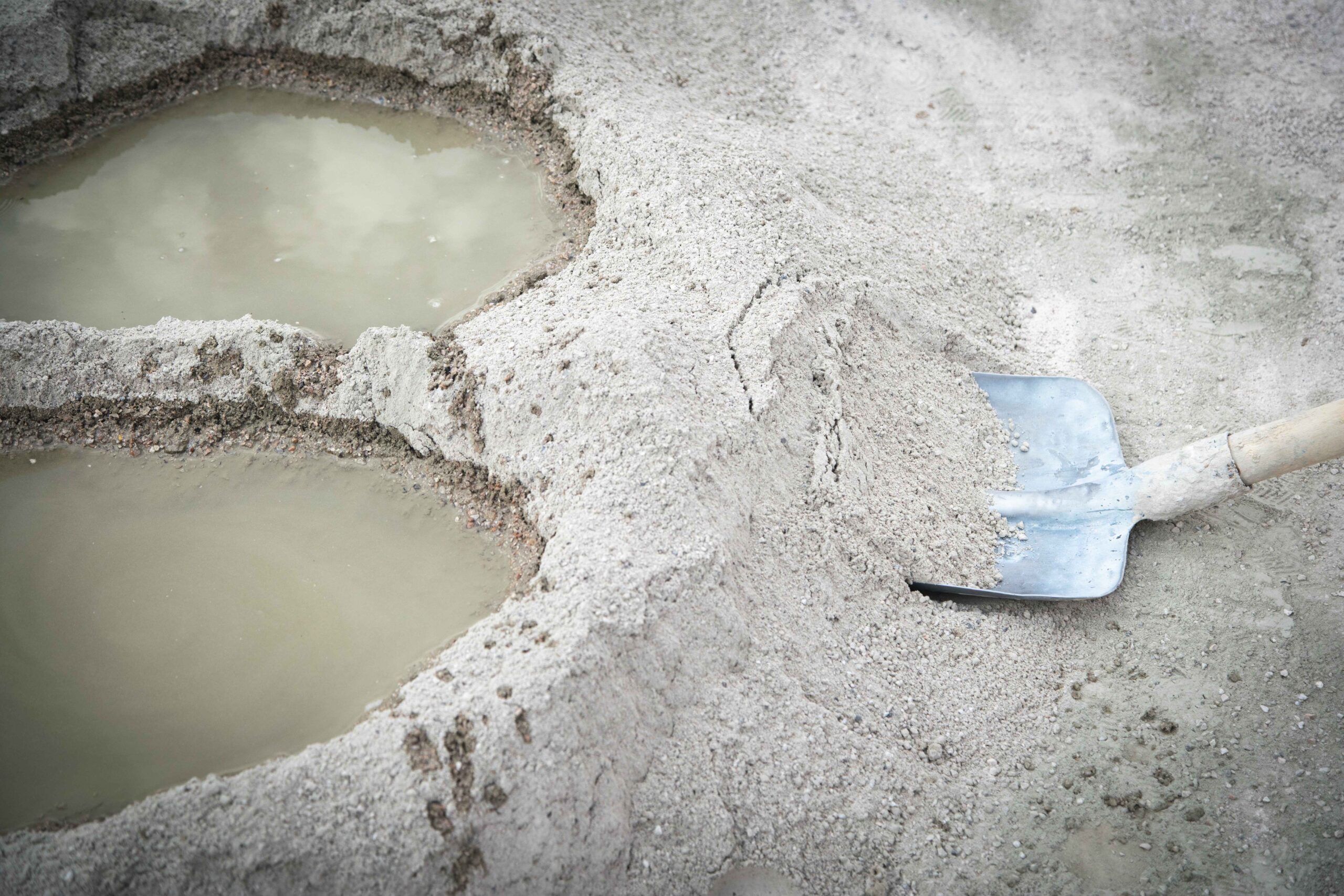
Water Cement Ratio : How to Calculate and Understand it Accurately

How to calculate the water cement ratio?

How to calculate the water cement ratio to achieve the ideal concrete mix ratio? Well, this is a crucial question that’s asked by many as that determines the success and longevity of a project. One of the key factors influencing concrete quality is the water cement ratio, and in this day and age, how a concrete mixing calculator can help achieve the desired results. Here, we will explore the intricacies of how to calculate the water cement ratio in an effective manner, a fundamental skill for builders and developers aiming to create durable and robust structures.

Understanding the Water Cement Ratio

To calculate water cement ratio, a few factors must be borne in mind as it is a critical parameter that directly influences the strength and durability of concrete. It is defined as the ratio of the weight of water to the weight of cement used in the water cement ratio. This ratio is expressed as a decimal, and its significance lies in its impact on the properties of the hardened concrete.

The Ideal Water Cement Ratio

A balanced water cement ratio is essential for producing high-quality concrete. Too much water can lead to a weaker mix, increased porosity, and reduced durability. On the other hand, insufficient water may result in difficulty in placing and compacting the concrete mix, leading to a compromised finish. A concrete measuring calculator can help deal with that.

The American Concrete Institute (ACI) recommends a water cement ratio range of 0.45 to 0.60 for normal concrete. However, specific requirements may vary based on factors such as the type of cement, aggregate characteristics, and environmental conditions. These need to be added to the equation when it comes to how to calculate concrete water ratio.

Factors Affecting the Water Cement Ratio

Type of Cement

The water demand for different types of cement varies. For instance, Portland cement generally requires more water than blended cement. Understanding the characteristics of the chosen cement is crucial when calculating the water cement ratio.

Aggregate Properties

Aggregates play a vital role in the concrete mix. The size, shape, and gradation of aggregates impact the water demand. Well-graded aggregates with a combination of different sizes generally require less water compared to poorly graded ones.

Admixtures

The use of admixtures can significantly influence the water cement ratio. These chemical additives are designed to improve specific properties of concrete, and their impact on water demand should be considered in the calculation process of the water cement ratio and concrete mix ratio.

Environmental Conditions

Ambient temperature and humidity affect the rate of cement hydration. In hot and dry conditions, the water demand may increase, requiring adjustments to the water cement ratio. Similarly, cold weather may necessitate additional precautions while you calculate the water cement ratio.

Calculation Methods

Now, let’s explore the step-by-step process of calculating the water cement ratio:

Determine the Target Compressive Strength.

Start by establishing the desired compressive strength of the concrete. This information is often provided by structural engineers and is crucial for selecting an appropriate water cement ratio.

Select the Type of Cement.

Different types of cement have varying water demand characteristics. Choose the type of cement based on project requirements and local standards, and calculate concrete water ratio on that basis.

Estimate the Water Content.

The water cement ratio (W/C) is calculated using the formula:

Weight of Water Weight of Cement

W/C= Weight of Cement/Weight of Water

For example, if you have 500 kg of cement and the water content is 200 litres, the water cement ratio would be:

200 kg/ 500 kg=0.4

W/C= 500kg/200kg =0.4

This result indicates that the mix has a water cement ratio of 0.4.

Concrete Mix Ratio

The concrete mix ratio is the proportion of various components in the concrete mix. While the water cement ratio is a crucial part of this, it is not the only factor. The mix ratio also includes the proportions of cement, aggregates, and sometimes admixtures. A commonly used mix ratio for general-purpose concrete is 1:2:3, representing one part cement, two parts fine aggregates (such as sand), and three parts coarse aggregates (such as gravel).

The water cement ratio fits into this mix ratio, and its calculation ensures that the overall mix achieves the desired strength and durability.

Concrete Measuring Calculator

To simplify the process of calculating concrete mixes, especially for larger projects, developers and builders can leverage concrete measuring calculators. These tools take into account various factors, including the water cement ratio, to provide accurate and efficient calculations.

Using such calculators ensures precision in determining the quantities of cement, aggregates, and water required for a specific project. It eliminates the margin of error associated with manual calculation concrete and helps in optimizing the use of materials, promoting cost-effectiveness.

The Importance of Precision in Calculation

Accurate calculation of the water cement ratio is paramount for several reasons:

Strength and Durability

A precise water cement ratio contributes to the development of optimal strength and durability in hardened concrete. Deviations from the recommended ratio can result in compromised structural integrity.

Workability

The water cement ratio affects the workability of the concrete mix. A good ratio ensures that the mix is easy to work with, place, and finish. This is particularly important for construction projects where the concrete needs to be shaped and molded.

Cost Efficiency

Efficient use of materials is crucial for cost-effective construction. By calculating the water cement ratio accurately by using a concrete mix calculator, builders can minimize waste and ensure that the right number of materials is used, preventing unnecessary expenses.

Environmental Impact

Optimal water cement ratio calculation contributes to sustainability in construction. By using the right amount of materials, builders can reduce the environmental impact associated with excess waste and energy consumption.

Best Practices for Water Cement Ratio Calculation

Regular Testing and Adjustment

Conduct regular tests on concrete mixes to ensure that the water cement ratio is within the recommended range. Adjustments may be necessary based on testing results and project-specific requirements.

Adherence to Standards

Follow industry standards and guidelines, such as those provided by the American Concrete Institute (ACI) and ASTM International, to ensure that the calculated water cement ratio meets established criteria for quality and performance.

Temperature Considerations

Be mindful of ambient temperatures during the concrete mixing and curing process. Extreme temperatures can impact the water demand, requiring adjustments to the water cement ratio.

Environmental Impact

Optimal water cement ratio calculation contributes to sustainability in construction. By using the right amount of materials, builders can reduce the environmental impact associated with excess waste and energy consumption.

Consultation with Experts

In complex projects or unique conditions, consult with structural engineers or concrete experts. Their expertise can provide valuable insights into the specific requirements for achieving the desired concrete properties.

Conclusion

Mastering the art of calculating the water cement ratio is essential for builders and developers committed to delivering high-quality, durable structures. By understanding the factors influencing the ratio, following precise calculation methods, and incorporating best practices, construction professionals can optimize their concrete mixes for strength, workability, and cost efficiency.

Utilizing concrete measuring calculators enhances accuracy in material estimation, promoting efficient resource utilization. As the construction industry continues to evolve, the emphasis on precise water cement ratio calculation remains a cornerstone for achieving excellence in concrete construction.

Remember, the foundation of every great structure lies in the meticulous planning and execution of the concrete mix, and the water cement ratio is the key to unlocking its full potential.

For more details, please visit https://www.mycemco.com/blog/water-cement-ratio

Plywood in Construction: Strength, Stability & Structural Applications

In today’s dynamic world of construction, where innovative solutions play a crucial role, plywood has become an integral element in many construction projects. Bringing durability, stability, and versatility to the construction environment, plywood is gaining recognition as a material with a wide range of applications. This introduction introduces the reader to the fascinating world of plywood in construction, highlighting the significance of this material, its unique features, and its growing role in modern construction projects.

Plywood: Basic Properties

Plywood, as a construction material, stands out with its characteristic layered structure, a key element contributing to its versatility and strength. Comprising several thin layers of wood called veneers, which are bonded together with special adhesives, plywood’s layered structure imparts exceptional stability and durability to the material. The diversity of plywood types includes hardwood plywood, waterproof plywood, and reinforced plywood, with each type tailored to specific construction applications. Hardwood plywood captivates with the natural appearance of wood, making it ideal for furniture production and wooden constructions. Waterproof plywood, resistant to moisture, finds applications in the marine industry, external constructions, and wherever contact with water is a concern. Reinforced plywood, with additional layers strengthened with materials, is used in constructions requiring durability, such as automotive components or boat hulls. Emphasizing the diversity of plywood types and their dedicated applications highlights why plywood is gaining importance as a key player in the construction industry.

Strength of Plywood

The strength of plywood is one of its most crucial features, making it a popular construction material in various fields. The layered structure of plywood, composed of thin wooden sheets bonded with adhesives, gives the material the ability to effectively bear loads. The multi-layered construction makes plywood more resistant to stresses and deformations than single layers of wood. This makes it an excellent choice for structural applications where strength and durability are required.

Plywood achieves impressive strength in tension, compression, and bending. As a result, it can be used in load-bearing structures such as beams, columns, or structural panels. Moreover, the ability to produce plywood from different wood species allows tailoring the material to specific project requirements, considering both strength and aesthetics. Plywood’s resistance to variable weather conditions and its ability to maintain stable dimensions make it an indispensable material in constructions where maintaining structural integrity over time is crucial.

Dimensional Stability

The dimensional stability of plywood is a significant aspect that influences its use in various projects. Thanks to its specific layered structure, plywood exhibits less tendency to deform under changing atmospheric conditions, such as humidity and temperature, compared to traditional wood. This makes it a material that maintains dimensional stability, a key factor in constructions where precision and structural integrity are essential.

The multi-layered construction of plywood allows for balancing stresses, which, in turn, minimizes material shrinkage and expansion. For projects requiring constant dimensions, such as furniture production or structural elements, plywood is the preferred choice. Its ability to maintain shape, even in changing environmental conditions, makes it an incredibly practical solution in the construction industry.

Additionally, plywood can be used in conditions where other wood-derived materials may undergo more significant deformations. Its dimensional stability makes it irreplaceable in applications where durable and stable results are expected, while simultaneously requiring adaptation to changing atmospheric conditions.

Structural Applications of Plywood

The application of plywood in constructions is versatile and encompasses various fields where its strength, stability, and ease of processing find utility. Plywood is commonly used in construction as a structural material capable of bearing loads and maintaining structural integrity. Its applications include constructing partition walls, framing walls and roofs, as well as flooring structures. Due to its lightness, plywood is also used in lightweight construction, such as the wooden framework of houses or pavilions.

Furthermore, plywood has found application in the production of prefabricated elements, speeding up the construction process and enabling time and cost savings. In the furniture industry, plywood is valued for its flexibility and moldability, allowing the creation of modern and innovative furniture designs. In stage and exhibition constructions, plywood is used to build lightweight and durable structures.

Examples of plywood applications

  • Wooden house constructions.
  • Floor and wall elements in residential and commercial buildings.
  • Furniture manufacturing, especially modern and designer furniture.
  • Concrete forms in construction.
  • Decorative and finishing elements in interior architecture.
  • Wooden floors and stairs in wooden constructions.
  • Lightweight constructions in prefabricated building.

Challenges and Developments

Although plywood is widely useful, it also faces certain challenges that impact its application and development. One of the main challenges is the issue of durability in external conditions. Plywood, especially in its standard form, may be susceptible to moisture and atmospheric conditions, leading to damage and loss of strength. Developments in this area include the advancement of plywood with enhanced resistance to external conditions, such as waterproof plywood, expanding its application scope in external constructions.

Another aspect that requires development is the environmental sustainability of plywood production. In the context of increasing interest in sustainable practices, developments towards producing plywood from certified, sustainable sources can contribute to minimizing the environmental impact. Innovative production methods, such as the use of eco-friendly adhesives or renewable energy sources, represent areas where plywood can make progress, responding to growing expectations regarding ecology and sustainable development in the construction industry.

In conclusion, plywood plays a crucial role in the construction industry, combining strength, stability, and versatility of applications. Discussing the layered structure of plywood helps understand its unique properties, and highlighting various types of plywood and their applications showcases its versatility in different fields. The strength of plywood makes it valued in constructions, while dimensional stability makes it useful in projects where precision matters. Despite challenges such as the impact of weather conditions, developments in resistance to these factors and the pursuit of sustainable production are directions for future development. Plywood remains an incredibly significant material in construction, providing not only robust construction solutions but also inspiring further innovations and improvements in the field of building materials.

For more details, please visit https://alvibel.pl/en/plywood-in-construction-strength-stability-and-structural-applications/#